Walk around the outside of your home and you will spot a small gray box mounted on the wall near your air conditioner. That box is an electrical disconnect, and it plays a bigger role in your family's safety than its modest size suggests. An electrical disconnect is a manual safety switch that completely cuts power to a piece of equipment so you, or a licensed electrician, can work on it without risk of shock. It is the gatekeeper between your circuit panel and the appliance, and it is required by code for a reason. This guide walks you through what a disconnect does, how it differs from a circuit breaker, how to choose the right one, and when to call a professional. It is written with Phoenix-area homeowners and business owners in mind, where long summers push HVAC systems and electrical loads to their limits.
Table of Contents
- What Does an Electrical Disconnect Do?
- Electrical Disconnect vs. Circuit Breaker: What's the Difference?
- Common Types of Electrical Disconnects
- How to Choose the Right Electrical Disconnect
- NEC Code Requirements You Should Know
- Installation Considerations for Phoenix Homeowners
- Troubleshooting Common Disconnect Problems
- When to Call a Licensed Electrician
- Frequently Asked Questions About Electrical Disconnects
- Conclusion
What Does an Electrical Disconnect Do?
The core job of an electrical disconnect is straightforward: it gives you a visible, reachable way to shut off power before anyone services a piece of equipment. Unlike a circuit breaker tucked away in a panel, a disconnect sits right next to the appliance it controls. You can see the switch position with your own eyes, which matters when safety is on the line.
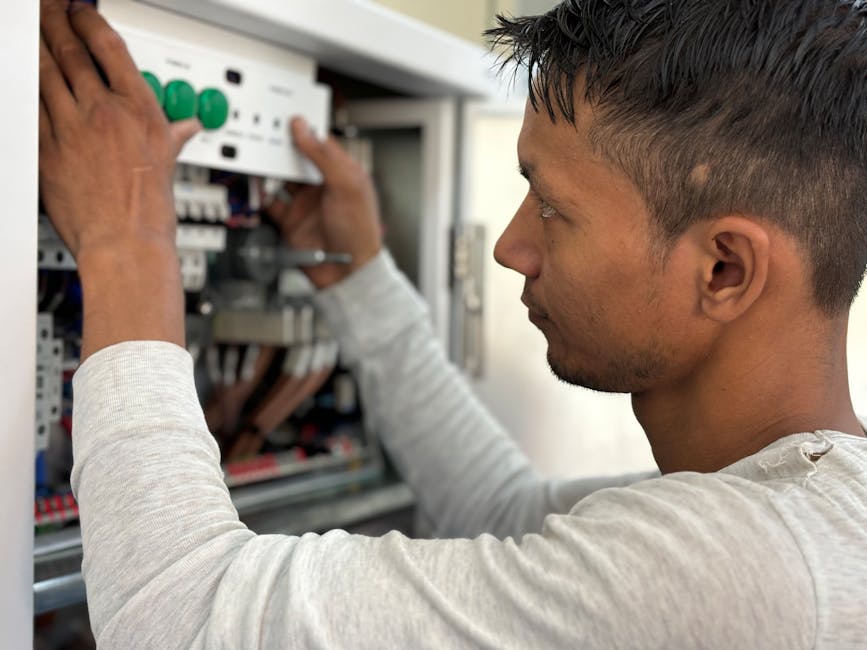
There is a workplace safety concept called lockout/tagout that applies here. Many disconnects have a small tab or hole that accepts a padlock. Once you flip the switch to the OFF position and lock it, nobody can accidentally restore power while you are working on the equipment. This feature protects technicians, HVAC contractors, and anyone else who needs to put their hands inside a unit.
A disconnect is not the same as a circuit breaker. A breaker senses overloads and short circuits and trips automatically to protect wiring. A disconnect is a deliberate, manual shutoff. You decide when to throw the switch. Common places you will find disconnects include outdoor air conditioning condensers, pool pumps, water heaters, standby generators, EV chargers, and large commercial kitchen appliances. In every case, the disconnect exists to protect the person servicing the equipment from electric shock, arc flash, and injury.
Electrical Disconnect vs. Circuit Breaker: What’s the Difference?
Homeowners often assume the breaker panel is enough. After all, you can flip a breaker off and cut power that way. So why does code require a separate disconnect at the equipment? The answer comes down to location, visibility, and purpose.
A circuit breaker lives in your electrical panel, which might be in the garage, on the side of the house, or tucked in a basement. Its job is automatic protection. When current exceeds safe levels, the breaker trips and stops the flow. It protects the wires in your walls from overheating and starting a fire.

An electrical disconnect serves a different purpose. It provides a local, manual shutoff point at the equipment itself. If a technician is working on your air conditioner, they need to see the switch in the OFF position with their own eyes. They cannot rely on a breaker panel that is fifty feet away and possibly behind a closed door where someone could flip it back on without knowing.
Think of it this way: a circuit breaker is like a smoke detector that reacts on its own when something goes wrong. An electrical disconnect is like a fire extinguisher you grab and use intentionally. Both are essential, and they work together in a properly designed electrical system. One protects the circuit; the other protects the person.
Common Types of Electrical Disconnects
Fused vs. Non-Fused Disconnects
A fused disconnect contains replaceable fuses that add a layer of overcurrent and short-circuit protection right at the equipment. If a fault occurs, the fuse blows and stops current flow before it can damage the appliance or wiring downstream. The trade-off is that when a fuse blows, you need to replace it with one of the exact same type and rating.
A non-fused disconnect is a simpler switch with no fuses inside. It relies on the circuit breaker back at the panel to handle overcurrent protection. Non-fused switches cost less, require less maintenance, and are perfectly adequate for most residential applications where the breaker already provides proper protection. For a typical Phoenix home with a modern electrical panel, a non-fused disconnect at the AC unit is often the right call. Your electrician can confirm which type your specific equipment and local code require.
AC Disconnects for HVAC Systems
The most familiar disconnect to any homeowner is the gray box mounted on the wall next to the outdoor condensing unit. Most residential AC disconnects use a pull-out handle design: you grab the plastic handle and pull it straight out to cut power, then push it back in to restore it. Some models use a lever or toggle switch instead. The National Electrical Code requires this disconnect to be within 50 feet of the equipment and visible from it, so anyone working on the unit can see the switch position at all times.
Service Disconnects and Equipment Disconnects
A service disconnect is the main shutoff between your utility meter and your electrical panel. Under NEC 230.70, this disconnect must be installed at a readily accessible location, either outside the building or inside nearest the point where the service conductors enter. It allows first responders, utility workers, or electricians to kill power to the entire building in an emergency.
An equipment disconnect is the local shutoff for a specific appliance or machine. Your AC unit, water heater, pool pump, and EV charger may each have their own equipment disconnect. The distinction matters because the placement rules, sizing requirements, and code references differ between service and equipment disconnects.
Enclosure Types and NEMA Ratings
The box that houses the disconnect switch carries a NEMA rating that tells you where it can safely be installed. NEMA Type 1 enclosures are for indoor use only, where they will not encounter moisture or debris. NEMA Type 3R enclosures are outdoor-rated and rainproof, making them the standard choice for AC disconnects and other exterior equipment. Type 4 and 4X enclosures add protection against water spray and corrosion, which matters in commercial kitchens or industrial settings. Type 12 enclosures are indoor-rated for dusty environments like workshops. For Phoenix homeowners, outdoor disconnects need at least a Type 3R rating to handle monsoon rains, blowing dust, and relentless sun exposure.
How to Choose the Right Electrical Disconnect
Selecting the correct disconnect starts with amperage. Match the disconnect's amp rating to the circuit size feeding your equipment. Most residential air conditioners run on 30-amp circuits, so a 30-amp disconnect is standard. Larger equipment like heat pumps, commercial HVAC units, or EV chargers may require 60-amp disconnects. Service disconnects for whole-home shutoff can range from 100 to 200 amps.
Voltage rating matters too. Residential disconnects are typically rated for 240 volts, which covers most home equipment. Commercial and industrial settings may require 480-volt or 600-volt ratings.
Next, decide between fused and non-fused. If your equipment manufacturer specifies fused protection, follow that requirement. Otherwise, a non-fused disconnect paired with a properly sized breaker at the panel is usually sufficient for residential use.
Choose the enclosure type based on where the disconnect will live. Indoor equipment in a dry, clean space can use a Type 1 enclosure. Anything outdoors needs Type 3R at minimum. If the disconnect will be exposed to washdowns, chemicals, or corrosive conditions, step up to Type 4X.
Common brands you will find at local supply houses include Square D, Eaton, Siemens, and GE. All are reputable, and your electrician will have a preferred brand they trust. When in doubt about sizing or type, a licensed electrician can evaluate your equipment and make sure the disconnect meets both manufacturer specifications and local code requirements.
NEC Code Requirements You Should Know
The National Electrical Code sets the rules for disconnect installation, and a few key sections apply to most residential situations. NEC 422.30 requires that the disconnecting means simultaneously disconnect all ungrounded conductors from the appliance. In plain language, the switch must cut all the hot wires at once, not just one leg of a 240-volt circuit.
NEC 230.70 covers service disconnects. It mandates that the main service disconnect be installed at a readily accessible location, either outside the building or inside nearest the point where the service conductors enter. This is the switch that kills power to your entire panel.
NEC 430.102 addresses motor disconnects. It requires the disconnect to be within sight of the motor and no more than 50 feet away. This is the rule that puts your AC disconnect right next to the outdoor unit.
Local codes in Phoenix and Maricopa County may add requirements beyond the NEC. For example, some municipalities have specific rules about disconnect placement relative to gas meters or property lines. Permits are typically required for disconnect installation, and pulling a permit triggers an inspection that verifies the work was done correctly. That inspection is a safeguard for you, not a bureaucratic hurdle.
Installation Considerations for Phoenix Homeowners
Installing an electrical disconnect means working with live electrical panels, running conduit, and making connections that must be tight, properly torqued, and code-compliant. For most homeowners, this is not a DIY project. The risks include shock, arc flash, and creating a fire hazard from a loose connection that overheats over time.
A professional installation follows a clear sequence: the electrician shuts off power at the source, mounts the disconnect enclosure securely, runs conduit between the panel and the disconnect, pulls and lands the wires, tests the connections, and labels the switch clearly. The electrician also handles the permit and schedules the inspection.
Disconnect installation often pairs with other electrical work. If you are upgrading your electrical panel, adding an EV charger, installing a standby generator, or replacing an aging HVAC system, a new or updated disconnect is usually part of the package. A licensed electrician will verify the disconnect is correctly sized and rated for your specific equipment, so you do not end up with an undersized switch that becomes a bottleneck or a safety risk.
Troubleshooting Common Disconnect Problems
A disconnect that will not stay in the OFF position usually has a worn internal mechanism. The switch contacts or the spring-loaded mechanism inside can degrade over time, especially in outdoor units exposed to Phoenix heat. This is a replacement situation, not a repair.
A burning smell or visible scorch marks around the disconnect are urgent warning signs. These indicate overheating, often from loose wire connections or undersized wiring. Heat builds up at the loose connection, insulation melts, and the risk of fire escalates. If you notice either, call a licensed electrician immediately and keep the equipment off until it is inspected.
Rust or corrosion on the enclosure is common in outdoor disconnects exposed to monsoon moisture and irrigation spray. Surface rust on the outside is cosmetic, but if moisture has penetrated the enclosure and corroded the internal components, the disconnect needs replacement.
Fuses that blow repeatedly or a disconnect that trips often point to a problem with the equipment itself, not just the switch. A failing compressor, a shorted motor, or damaged wiring inside the appliance can cause repeated fuse failures. This requires professional diagnosis to find and fix the root cause.
A stuck pull-out handle usually means debris or corrosion has seized the mechanism. Do not force it. Forcing a stuck handle can break the disconnect or damage the internal contacts. An electrician can safely free it or replace the unit.
When to Call a Licensed Electrician
Electrical work carries real risk, and disconnects sit at the intersection of high voltage and personal safety. Call a licensed electrician any time you are unsure about the condition of your disconnect or the equipment it serves. If you see signs of damage, scorching, rust penetration, or if the disconnect feels hot to the touch, treat it as an urgent issue.
Planning a remodel, adding new equipment, or upgrading your panel all involve disconnect work. A new EV charger needs a properly sized disconnect. A standby generator installation requires a service-rated disconnect to safely isolate your home from the utility grid during an outage. Replacing an old HVAC unit means evaluating whether the existing disconnect is still adequate.
Peace of mind comes from knowing the work was done right, inspected, and built to last through Phoenix summers and monsoon seasons. A qualified electrician brings that assurance to every installation.
Frequently Asked Questions About Electrical Disconnects
What is another name for an electrical disconnect?
Disconnect switch, safety switch, isolator, and disconnecting means all refer to the same device. You will hear "disconnect" or "safety switch" most often in residential settings, while "disconnecting means" is the formal term used in the National Electrical Code.
What do electricians call disconnects?
In the field, electricians typically say "disconnect" or "safety switch." During code discussions or plan reviews, you will hear the term "disconnecting means." On a commercial job site, an electrician might refer to a specific type like a "fused disconnect" or "non-fused disconnect."
Can I install an electrical disconnect myself?
In most jurisdictions, including Phoenix and surrounding cities, disconnect installation requires a permit and an inspection. While a skilled homeowner can technically perform the work, the risks of working inside a live panel and making high-amperage connections are significant. Hiring a licensed electrician ensures code compliance and safety.
How much does an electrical disconnect cost?
Materials for a standard 30-amp disconnect switch typically start around $100, while a 60-amp unit runs closer to $130 to $150. A 200-amp service-rated disconnect can cost $500 or more for the hardware alone. Installation labor varies based on the complexity of the job, the distance from the panel, and whether new conduit needs to be run.
How often should a disconnect be inspected?
A visual inspection once a year is a good practice. Look for rust, scorching, loose conduit connections, and a cover that closes securely. If you are having other electrical work done, ask your electrician to check the disconnects while they are on site.
Conclusion
An electrical disconnect is a small device with an outsized responsibility: it protects anyone who works on your equipment from serious injury. Understanding what it does, how it differs from a breaker, and which type your home needs puts you in a better position to make informed decisions about your electrical system. Whether you are replacing an old AC unit, adding an EV charger, or simply making sure your existing setup is safe and code-compliant, a properly installed disconnect is non-negotiable. When the time comes to install or replace one, working with a licensed electrician gives you confidence that the job is done right and your family is protected.