If you are shopping for an electric vehicle or just brought one home, the 240v ev charger installation cost is probably the first number you want pinned down. You need a real dollar figure, not a vague range that doubles once the electrician hands you the final invoice. This guide walks through exactly what you will pay for hardware, labor, permits, and the hidden expenses that catch homeowners off guard. By the time you finish reading, you will know how to budget your project, where to find savings, and why working with a licensed professional protects your investment long after the charger is mounted on the wall.
Table of Contents
- What Is a 240V (Level 2) EV Charger and Why Do You Need One?
- Average 240V EV Charger Installation Cost in 2026
- Key Factors That Affect Your 240V Charger Installation Price
- DIY vs. Professional Installation: Cost and Safety Trade-Offs
- How to Reduce Your 240V EV Charger Installation Cost in 2026
- Frequently Asked Questions About 240V EV Charger Installation
- Conclusion: Plan Your 240V EV Charger Installation with Confidence
What Is a 240V (Level 2) EV Charger and Why Do You Need One?
A 240V charger, commonly called a Level 2 charger, delivers power at roughly twice the voltage of a standard household outlet. While a basic 120V Level 1 cord adds about three to five miles of range per hour, a Level 2 charger typically adds 25 to 30 miles in the same time. For most EV owners, that difference turns overnight charging from a constant anxiety into a non-issue.

Upgrading to 240V also unlocks access to utility off-peak rate programs, where electricity costs drop significantly during nighttime hours. Many power companies structure these rates specifically for EV owners who install a dedicated metered circuit. This article covers the total project cost: the charger device itself, the electrician’s labor, the permit fees, and any materials your home needs to support the new circuit. Federal and state incentives still apply in 2026, and we will break those down in detail later.
Average 240V EV Charger Installation Cost in 2026
The national average for a complete professional Level 2 installation lands between $1,200 and $4,000. That range accounts for everything from a charger plugged into an existing outlet to a full panel upgrade with trenching across a property. Most homeowners fall into a more predictable window. A straightforward installation with a mid-range charger, a short wire run, and no panel work typically costs $850 to $2,700.
Installation complexity drives the final number more than any other factor. Here is how those scenarios break down in practice.
A simple installation runs $300 to $800. This assumes your electrical panel sits in or directly adjacent to the garage, you already have a dedicated 240V outlet in place, and the electrician mainly handles mounting, testing, and permit paperwork.
A moderate installation ranges from $800 to $2,000. The panel has capacity for a new 50A or 60A breaker, but the electrician must run new wiring through an unfinished basement or along an exterior wall. No trenching or major structural work is required.
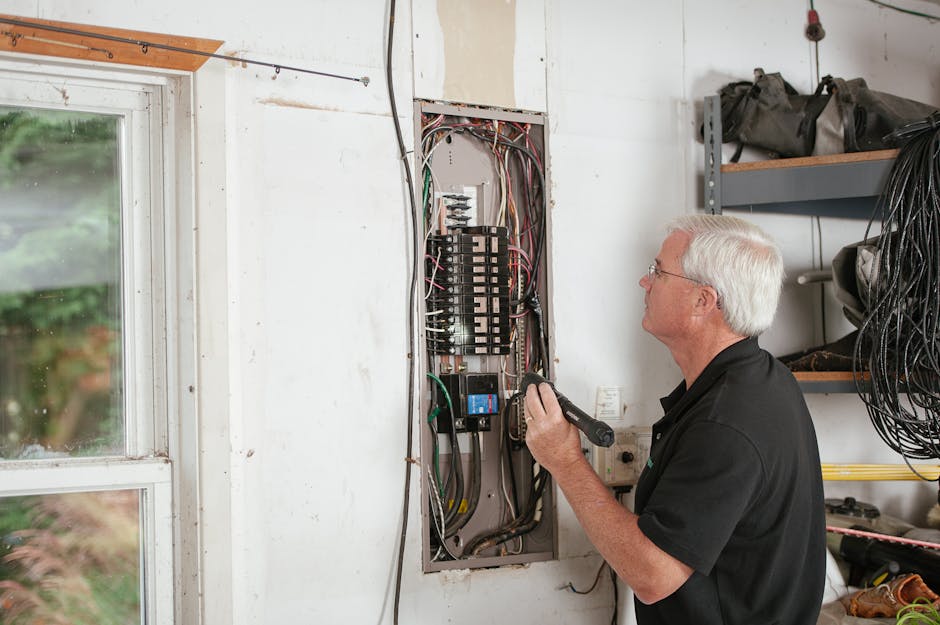
A complex installation starts at $2,500 and can exceed $5,000. These projects involve long wire runs from a basement panel to a detached garage, trenching through concrete or landscaping, or upgrading an older 100A panel to 200A service. Industry sources cite a broad range of $500 to $5,000, which captures both the simplest DIY-friendly scenarios and full-scale electrical overhauls.
Cost Breakdown by Component
Charger hardware alone costs between $400 and $1,200 or more. Basic plug-in models with no connectivity sit at the lower end. Smart chargers with WiFi, energy monitoring, and scheduling features push toward $700 to $1,200. Hardwired units, which often support higher amperage and eliminate the need for a GFCI breaker, fall in a similar price band.
Installation labor accounts for $300 to $3,000 of the total. Electricians typically charge $75 to $150 per hour, and a simple job takes two to four hours. When the wire run stretches 50 feet or more, or the crew needs to penetrate finished walls and ceilings, labor hours multiply quickly. Always confirm whether the quote includes materials like wire, conduit, and the breaker, or if those appear as separate line items.
Permits and inspections add $50 to $300. Municipalities set their own fee schedules. San Luis Obispo, California, charges around $200 for an EV charger permit, while smaller towns may come in under $100. Skipping this step is a gamble that can void home insurance claims and complicate a future home sale.
Panel upgrades, when necessary, cost $1,000 to $2,200. Homes with 100A service often cannot accommodate an additional 50A or 60A double-pole breaker without overloading the system. Upgrading to 200A service involves a new panel, new main breaker, and coordination with the utility company for a temporary disconnect.
Materials such as copper wire, conduit, and the breaker itself run $100 to $500. Many electricians bundle these costs into the labor quote, but you should ask for an itemized list so you understand exactly what you are paying for.
Key Factors That Affect Your 240V Charger Installation Price
Distance from the electrical panel to the charging location is the single biggest cost driver. Copper wire rated for 50A or 60A circuits is expensive, and every additional foot adds material and labor cost. When the path runs underground to a detached garage, trenching and conduit push the price even higher.
Panel capacity and age determine whether you can avoid an upgrade. A modern 200A panel with empty slots makes the job straightforward. An older 100A panel, especially one with federal Pacific or Zinsco breakers that no longer meet code, forces a more expensive conversation before the charger work even begins.
Charger type matters more than most homeowners realize. A plug-in charger using a NEMA 14-50 outlet seems convenient, but the 2020 National Electrical Code requires a GFCI breaker for garage receptacles, adding $100 to $150 to the materials cost. Hardwired chargers bypass that requirement and often provide a cleaner, more weather-resistant installation.
Local permit and labor rates vary sharply by region. Urban centers like New York City and San Francisco command premium electrician rates, while rural areas may have fewer licensed contractors available, which can also drive up pricing through limited competition.
Existing wiring cannot be shared. A Level 2 charger requires a dedicated 240V circuit. Tapping into a dryer or oven circuit violates code and creates a serious safety hazard. If no spare capacity exists, the project scope expands immediately.
Home structure adds labor time. Concrete walls, finished basements, and multi-story garages force electricians to fish wire through insulated cavities, cut access holes, and patch drywall. Each obstacle adds hours to the job.
Common Mistakes That Drive Up Costs (And How to Avoid Them)
Skipping permits might save $200 today but can trigger a failed home inspection when you sell, an insurance denial after a fire, or a costly rework order from the local building department. Permits exist to verify that the installation meets code and will not endanger your family.
Undersizing the wire is a dangerous shortcut. A 50A circuit requires 6-gauge copper wire. Using thinner 12-gauge or 10-gauge wire creates resistance, heat, and a genuine fire risk. If an electrician proposes smaller wire to cut costs, find another electrician.
Buying the wrong charger before assessing your panel capacity wastes money. A 60A hardwired charger delivers no benefit if your home can only support a 40A circuit. Have an electrician evaluate your panel first, then purchase the charger that matches your actual electrical capacity.
Ignoring warranty terms leaves you unprotected. Ask your contractor what labor warranty they provide. A one-year minimum is standard for reputable electricians. Some offer five-year or even lifetime coverage on their workmanship. Get it in writing.
Not checking utility rebates before installation can disqualify you from hundreds of dollars in savings. Many utility programs require pre-approval, specific charger models, or installation by an approved contractor. Check your local utility’s website before scheduling any work.
DIY vs. Professional Installation: Cost and Safety Trade-Offs
A DIY installation can cost under $300 if you already have a dedicated 240V outlet in the garage and you purchase a basic plug-in charger. Some homeowners on forums report buying used chargers and mounting them next to an existing NEMA 14-50 receptacle for even less. These scenarios work only when the outlet was previously installed to code with the correct wire gauge and breaker size.
Professional installation runs $800 to $3,000 or more and includes labor, permit handling, and a warranty on the work. The electrician pulls the permit, schedules the inspection, and carries liability insurance if something goes wrong.
The risks of DIY work extend beyond the immediate installation. Code violations can void your homeowner’s insurance policy, even for a fire unrelated to the charger. When you sell the home, an inspector may flag unpermitted electrical work and require you to bring it up to code at your expense before closing. For most homeowners, the premium paid for professional installation buys safety, compliance, and resale protection that far outweighs the upfront savings.
DIY is acceptable in one narrow case: you are a licensed electrician, or you have a pre-existing, code-compliant 240V outlet installed by a licensed electrician, and you are simply mounting a plug-in charger on the wall above it. Even then, check your local permit requirements. Some jurisdictions still require a permit for the charger installation even if the circuit already exists.
How to Reduce Your 240V EV Charger Installation Cost in 2026
The federal tax credit remains one of the strongest incentives available. Under the Inflation Reduction Act, homeowners can claim 30 percent of the total installation cost, including the charger, labor, materials, and permits, up to a $1,000 maximum credit. This provision runs through 2032 and applies to installations in eligible census tracts. Check the Department of Energy’s mapping tool to confirm your address qualifies.
Utility rebates stack on top of the federal credit. Many U.S. power companies offer $250 to $500 cash rebates for installing an Energy Star-certified Level 2 charger. Some utilities require that you enroll in a managed charging program that allows them to briefly pause charging during peak grid demand. The rebate often covers a significant portion of the charger hardware cost.
Smart splitters and energy management systems can eliminate the need for a panel upgrade. Products like the Smart Splitter or simpleSwitch monitor your home’s total electrical load and automatically reduce or pause EV charging when other large appliances run. Instead of paying $2,000 for a new panel, you pay $300 to $700 for a device that shares existing capacity safely. This approach works especially well in homes where the panel is full but the actual electrical usage never approaches the maximum rating.
Timing your installation can yield savings. Some electrical contractors offer lower rates during fall and winter when construction demand slows. Bundling the charger installation with other electrical work, like a panel upgrade or whole-house surge protector installation, may also reduce the per-project cost.
Getting multiple quotes is non-negotiable. Contact at least three licensed electricians and ask for itemized estimates that separate hardware, labor, materials, and permit fees. An itemized quote lets you compare apples to apples and spot any contractor padding material costs or underestimating labor.
Real-World Cost Examples from Homeowners (2025–2026)
Scenario A represents a simple installation. A homeowner with a 200A panel in the garage hired an electrician to install a 50A breaker and hardwire a basic charger directly below the panel. Total cost: $1,200, including the charger, labor, and permit.
Scenario B falls into the moderate range. The panel sat in a basement utility room, requiring a 30-foot wire run through a finished ceiling to the garage. The electrician fished the wire, patched the drywall, and installed a smart WiFi-enabled charger. Total cost: $2,100.
Scenario C is a complex project. An older home with 100A service needed a panel upgrade to 200A before any charger work could begin. The garage was detached, requiring a 60-foot trench and conduit run. A hardwired charger was installed on a 60A circuit. Total cost: $4,800.
Scenario D shows the DIY floor. The homeowner already had a code-compliant NEMA 14-50 outlet in the garage from a previous owner’s workshop. They purchased a used plug-in charger online and mounted it themselves. Total cost: $280.
Frequently Asked Questions About 240V EV Charger Installation
Do I need a permit to install a Level 2 charger? Most municipalities require an electrical permit for any new dedicated circuit. Permit fees range from $50 to $300 depending on your location. Your electrician should handle this as part of the installation.
Can I install a 240V charger myself? You can, but only if you have the electrical knowledge to meet code requirements. Professional installation is strongly recommended for safety, insurance compliance, and resale value.
How long does installation take? A simple job with the panel in the garage takes two to four hours. Complex installations involving panel upgrades, long wire runs, or trenching can take one to two full days.
Does installing an EV charger increase home value? Yes, particularly in markets with high EV adoption. Real estate appraisers note that a professionally installed Level 2 charger can add one to three percent to resale value, especially as EV ownership continues to grow.
What size breaker do I need? Most Level 2 chargers require a 50A or 60A double-pole breaker. The exact size depends on the charger’s maximum current draw and whether it is a plug-in or hardwired unit. A 50A circuit supports 40A charging, while a 60A circuit supports 48A charging on most hardwired units.
Conclusion: Plan Your 240V EV Charger Installation with Confidence
The 240v ev charger installation cost in 2026 typically lands between $1,200 and $4,000, with most homeowners paying somewhere in the middle of that range. The final number depends on your panel location, its capacity, the charger you choose, and local labor rates. An itemized quote from a licensed electrician removes the guesswork and protects you from surprise costs.
Before you schedule the work, check your eligibility for the 30 percent federal tax credit and any utility rebates available in your area. Those incentives can knock hundreds off the total and make a premium charger or hardwired installation far more affordable. If your panel is older or undersized, ask your electrician whether a smart energy management system can help you avoid an expensive upgrade.
Professional installation delivers more than a working charger. It ensures the circuit is safe, the permit is closed, and the warranty has teeth. When you are ready to get a firm price for your home, contact AZ DC ELECTRIC for a free, no-obligation estimate tailored to your specific setup.